
How to Create Viral Short-Form Video Content for Your Brand
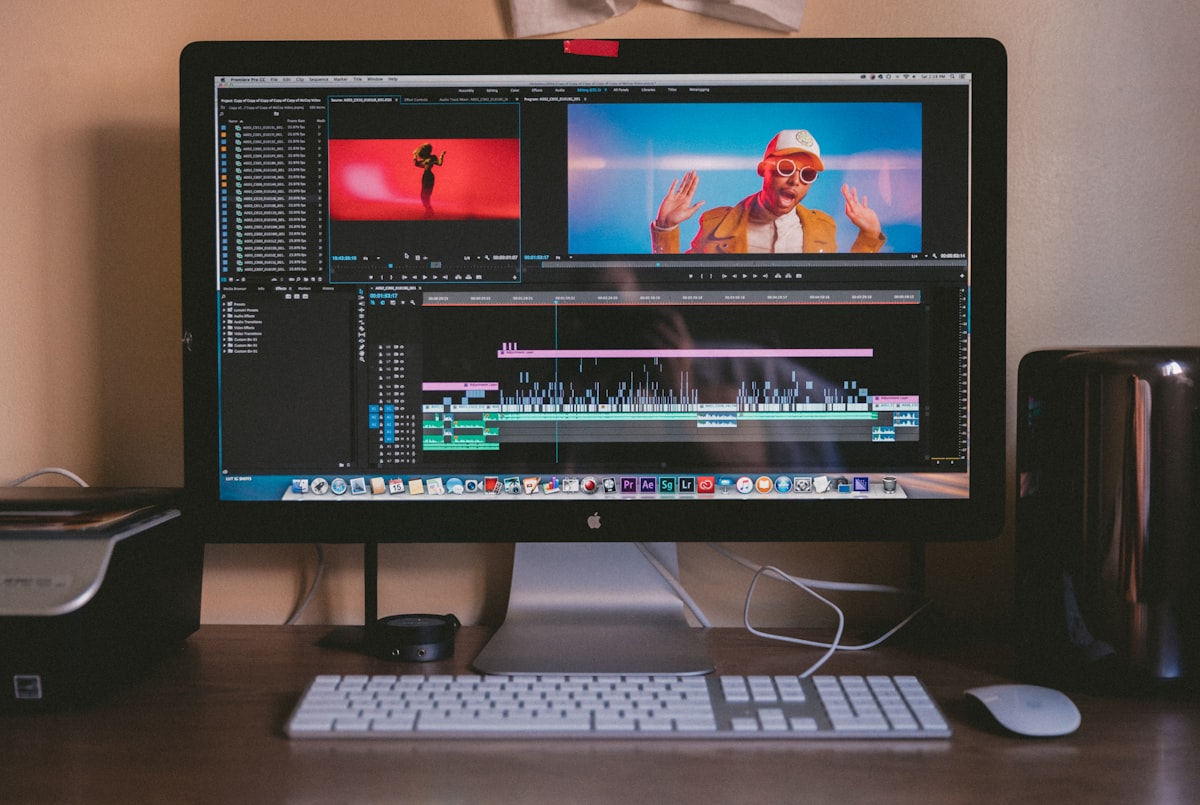
Short-form video is the highest-ROI content format in 2026. Videos under 60 seconds generate 2.5x more engagement than static posts across every platform, and the barrier to entry has never been lower — a smartphone and a decent hook are all you need. The brands creating viral short-form content aren't spending thousands on production; they're mastering story structure, trending formats, and strategic distribution.
This guide breaks down exactly how to create short-form videos that get views, engagement, and customers.
What Do the Short-Form Video Statistics Tell Us?
The numbers make the case definitively:
- TikTok: 1.8 billion monthly active users, average session time of 58 minutes (DataReportal 2026)
- Instagram Reels: Reels account for 50%+ of time spent on Instagram, with 2.35 billion monthly users (Meta Q1 2026 Earnings)
- YouTube Shorts: 80 billion daily views globally, up from 50 billion in 2023 (YouTube Culture & Trends 2026)
- Average watch time: Users spend 95 minutes per day consuming short-form video across platforms (eMarketer 2026)
Business impact data:
| Metric | Short-Form Video | Static Image Posts | Text Posts |
|---|---|---|---|
| Average engagement rate | 5.3% | 1.9% | 2.1% |
| Average reach (organic) | 15-30% of followers | 5-10% of followers | 8-12% of followers |
| Share rate | 3.2% | 0.8% | 1.1% |
| Conversion rate (to profile visit) | 4.7% | 1.2% | 1.8% |
| Cost per impression | $0 (organic) | $0 (organic) | $0 (organic) |
The algorithmic advantage is clear: every major platform is pushing short-form video because it keeps users on-platform longer. Creating video content means swimming with the algorithmic current rather than against it.
What Is the Anatomy of a Viral Short-Form Video?
Every viral short-form video follows the same structural framework, regardless of niche or platform. The three elements are: Hook, Story, and CTA.
The Hook (First 1-3 Seconds)
Your hook determines whether 90% of viewers keep watching or scroll past. The average attention decision happens in 1.3 seconds.
Proven hook formulas:
- Pattern interrupt: Start with something visually unexpected. A sudden movement, unusual angle, or surprising visual.
- Bold claim: "This one change tripled our revenue in 30 days."
- Question: "Why are 90% of founders doing social media wrong?"
- Controversy: "Unpopular opinion: posting every day is killing your brand."
- Tutorial signal: "Here's how to [desirable outcome] in [timeframe]."
- Story tease: "I lost $50,000 making this mistake. Here's what happened."
- Before/after: Show the transformation immediately.
Hook rules:
- No logos or intros (immediate content)
- Text overlay within first frame
- Movement in frame immediately
- Voice starts within 0.5 seconds (for talking-head content)
- Never start with "Hey guys" or "Welcome back"
The Story (Middle 70-80% of Video)
The middle section delivers on the hook's promise. Structure it for retention:
- Teach something specific. Vague advice gets scrolled. Concrete steps keep viewers.
- Use visual changes every 2-3 seconds. Cut angles, add B-roll, change text overlays. Monotony kills watch time.
- Build tension or curiosity. Each point should make the viewer want to see the next one.
- Keep energy consistent. Match your delivery to the platform (TikTok = high energy, LinkedIn = conversational).
The CTA (Final 2-5 Seconds)
The end should drive a specific action:
- For growth: "Follow for more [topic] tips"
- For engagement: "Comment if you've experienced this"
- For traffic: "Link in bio for the full guide"
- For saves: "Save this for later"
- For shares: "Send this to a founder who needs it"
The strongest CTAs feel like a natural conclusion, not a hard sell.
What Equipment and Tools Do You Need?
The barrier to short-form video is almost entirely psychological, not technical. Here's what you actually need:
Minimum viable setup (total cost: $0-50):
- Smartphone (any phone from the last 3 years is sufficient)
- Natural lighting (face a window)
- Free editing app (CapCut, InShot, or native TikTok editor)
- Quiet room
Upgraded setup (total cost: $100-300):
- Ring light or LED panel ($30-60)
- Phone tripod with adjustable height ($20-40)
- Wireless lavalier microphone ($30-80)
- Simple backdrop or clean wall
Pro setup (total cost: $500-1,500):
- Mirrorless camera or high-end smartphone
- Softbox lighting kit
- Shotgun or studio microphone
- Teleprompter
- Professional editing software (DaVinci Resolve is free)
Critical insight: Production value matters far less than content quality for short-form video. TikTok's algorithm actively favors authentic, less-polished content over highly produced videos. The most viral brand videos of 2025-2026 were shot on phones with natural lighting.
Sound quality is the one technical element worth investing in. Viewers will watch a slightly blurry video but won't tolerate bad audio. A $30 wireless mic is the single highest-ROI purchase for video content.
What Does an Efficient Video Editing Workflow Look Like?
Speed matters. If a single 30-second video takes you 3 hours to edit, you'll burn out within a week. Here's a workflow optimized for quality-per-hour:
The 15-minute editing workflow:
- Import and trim (2 minutes): Cut dead air from beginning and end. Remove long pauses.
- Add text overlays (5 minutes): Hook text on first frame. Key points highlighted. CTA text at end.
- Add B-roll or visual cuts (4 minutes): Break up talking-head footage every 3-4 seconds with relevant visuals, screenshots, or angle changes.
- Audio polish (2 minutes): Add background music (low volume), ensure voice is clear, remove any audio spikes.
- Export and add captions (2 minutes): Export at platform-native resolution. Auto-generate captions (93% of short-form video is watched without sound).
Tools for fast editing:
| Tool | Best For | Cost | Platform |
|---|---|---|---|
| CapCut | All-purpose editing | Free | Mobile + Desktop |
| Descript | Script-based editing | $24/mo | Desktop |
| DaVinci Resolve | Professional quality | Free | Desktop |
| InShot | Quick mobile edits | Free/$3.99 | Mobile |
| Adobe Premiere Rush | Cross-device editing | $9.99/mo | Mobile + Desktop |
| TikTok Editor | Platform-native features | Free | Mobile |
Batch recording tip: Record 5-10 videos in one session. Change your shirt between videos to create the illusion of different days. This is the single biggest time-saver — context-switching between recording and editing sessions kills productivity.
What Content Formats Go Viral?
Certain formats consistently outperform others. Here are the top-performing formats for brand content:
Tutorials and How-To Videos
Why they work: Provides immediate, concrete value. High save rate and share rate.
Example: "How to write a LinkedIn post that gets 10,000 impressions" (show the process in 30 seconds)
Performance benchmark: Tutorial videos average 3x higher save rate than entertainment content.
Reaction and Commentary Videos
Why they work: Leverages existing trending content. Low effort, high relatability.
Example: Reacting to viral startup advice, industry news, or competitor claims with your expert take.
Performance benchmark: Reaction videos using trending audio get 40% more initial distribution from algorithms.
Behind-the-Scenes Content
Why they work: Satisfies curiosity. Humanizes your brand. Creates parasocial connection.
Example: "A day running a startup" montage, packing orders, team meetings, product development in progress.
Performance benchmark: BTS content generates 2x more comments than polished marketing content.
Before and After Transformations
Why they work: Instantly communicates value. The contrast creates dopamine.
Example: "Our landing page before vs. after" or "Our social growth: month 1 vs. month 6"
Performance benchmark: Before/after videos have the highest completion rate of any format (viewers want to see the final result).
List-Based Videos (Top 3, Top 5, Top 10)
Why they work: Clear structure. Viewers know what to expect. High watch-through because of numbered anticipation.
Example: "Top 5 tools I use to run my startup" or "3 social media mistakes killing your growth"
Performance benchmark: Listicle videos average 25% higher retention than unstructured content.
Storytelling and Personal Narratives
Why they work: Emotional connection. Humans are wired for stories. Creates loyalty.
Example: "How I went from 0 to 10K followers" or "The worst business advice I ever received"
Performance benchmark: Story-driven content generates 4x more shares than informational content.
How Should You Optimize for Each Platform?
Same content, different optimization:
| Element | TikTok | Instagram Reels | YouTube Shorts |
|---|---|---|---|
| Ideal length | 15-45 seconds | 15-30 seconds | 30-60 seconds |
| Aspect ratio | 9:16 | 9:16 | 9:16 |
| Caption style | Trending, informal | Hashtag-heavy | Keyword-rich |
| Music | Trending sounds critical | Optional | Less important |
| Posting frequency | 1-3/day | 4-7/week | 3-5/week |
| Best hook style | Pattern interrupt | Visual aesthetic | Value promise |
| Discovery mechanism | FYP algorithm | Explore + Reels tab | Shorts shelf |
Platform-specific tips:
- TikTok: Use trending sounds even at low volume. The algorithm boosts videos using trending audio by 20-30%.
- Instagram Reels: Add 3-5 hashtags in the caption. Reels shared to Stories get 15% more reach.
- YouTube Shorts: Include your target keyword in the first sentence. YouTube's search algorithm indexes Shorts transcripts.
How Does PostAxis Help Distribute Video Content Across Platforms?
Creating one great video is the hard part. Getting it in front of audiences across every platform shouldn't require re-uploading manually to 5 different apps.
PostAxis solves the distribution challenge for video content:
Multi-platform video publishing: Upload your short-form video once to PostAxis and publish it to TikTok, Instagram Reels, YouTube Shorts, Facebook, and LinkedIn simultaneously. Each post is formatted for the platform's native specifications.
Strategic scheduling: Time your video drops for maximum impact. Schedule your TikTok post for 7 PM when your audience is scrolling, your LinkedIn version for 8 AM when professionals are commuting, and your YouTube Short for 12 PM when lunchtime browsing peaks — all from one dashboard.
Content calendar visualization: See your entire video content pipeline visually. Plan your batch recording sessions around gaps in your calendar. Never scramble for last-minute content again.
Cross-platform analytics: Track which platforms drive the most views, engagement, and click-throughs for your video content. Double down on what's working instead of guessing.
PostAxis's approach to video distribution means you spend your creative energy on making one excellent video rather than spending administrative time uploading it to six platforms manually. For founders and builders already stretched thin, that efficiency compounds into hundreds of hours saved per year.
Frequently Asked Questions
How long should short-form videos be for maximum reach?
For TikTok, 21-34 seconds performs best for accounts under 100K followers. For Instagram Reels, 15-25 seconds. For YouTube Shorts, 30-58 seconds. Generally, shorter videos have higher completion rates, and completion rate is the primary ranking signal across all platforms.
Do I need to show my face in videos?
No, but it helps significantly. Talking-head content generates 2x more engagement than faceless content on average. If you're camera-shy, start with voice-over + screen recording or text-overlay videos, then gradually introduce your face as you build confidence.
How many videos should I post per week as a minimum?
Three per week is the minimum to signal consistency to algorithms. Ideally, aim for 5-7 per week across platforms. Batch recording (filming 5-10 at once) makes this sustainable without daily production sessions.
What if my first videos get zero views?
This is normal. The first 10-20 videos are your calibration period. Algorithms need data to understand who to show your content to. Keep posting consistently and analyze which hooks and topics get any traction. Most viral creators had months of low-view videos before one broke through.
Should I repurpose the same video across all platforms?
Yes, with minor adaptations. Change the opening text overlay to match platform norms, adjust music (trending TikTok sounds vs. no music on LinkedIn), and tweak captions. The core video content can remain identical — most of your audience doesn't follow you on every platform.
How important is posting at trending times vs. using trending sounds?
Trending sounds have a bigger impact than posting time for TikTok specifically. On Instagram, posting time matters more. On YouTube Shorts, neither matters as much as thumbnail and title keyword. Prioritize sound trends on TikTok and timing on Instagram.
Ready to simplify your social media?
PostAxis helps builders and creators publish to all platforms from one dashboard with scheduling, cross-posting, and automation.
Join the waitlist →